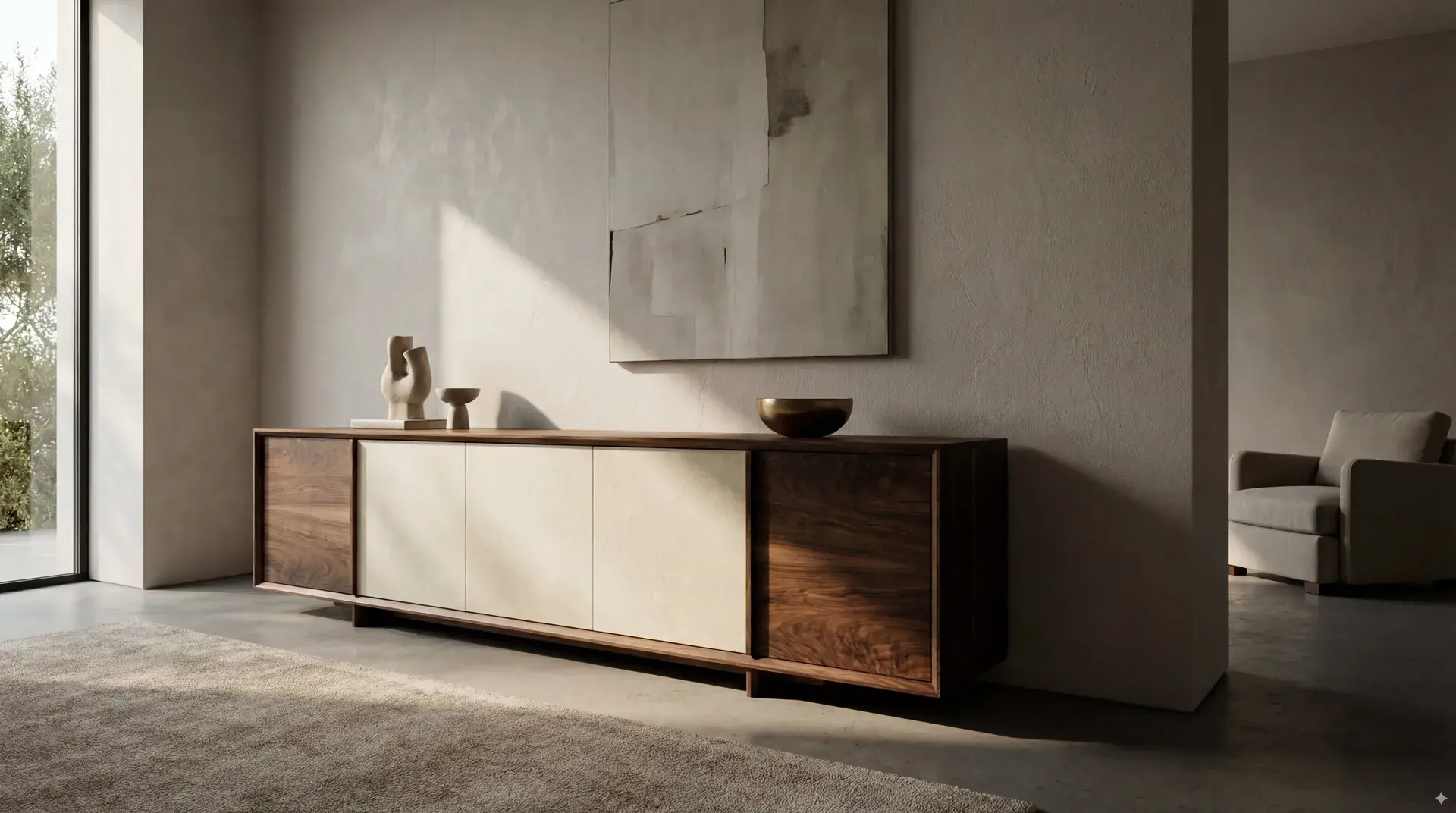
Bespoke Furniture in CDMX: The Collector's Guide
Beyond Measure: Why Bespoke Furniture is the New Standard
In the world of high-end interior design, there is a semantic confusion that often proves costly for the inexperienced investor: the abysmal difference between "made-to-measure" furniture and a Bespoke piece.
The difference is not subtle; it is structural. Buying standard carpentry for an apartment in Rubén Darío is the equivalent of buying a designer suit and simply hemming it. Commissioning bespoke furniture, on the other hand, is comparable to visiting an atelier on Savile Row: the piece does not exist until the anatomy of the space, the lifestyle of the owner, and the narrative the wood must tell are understood.
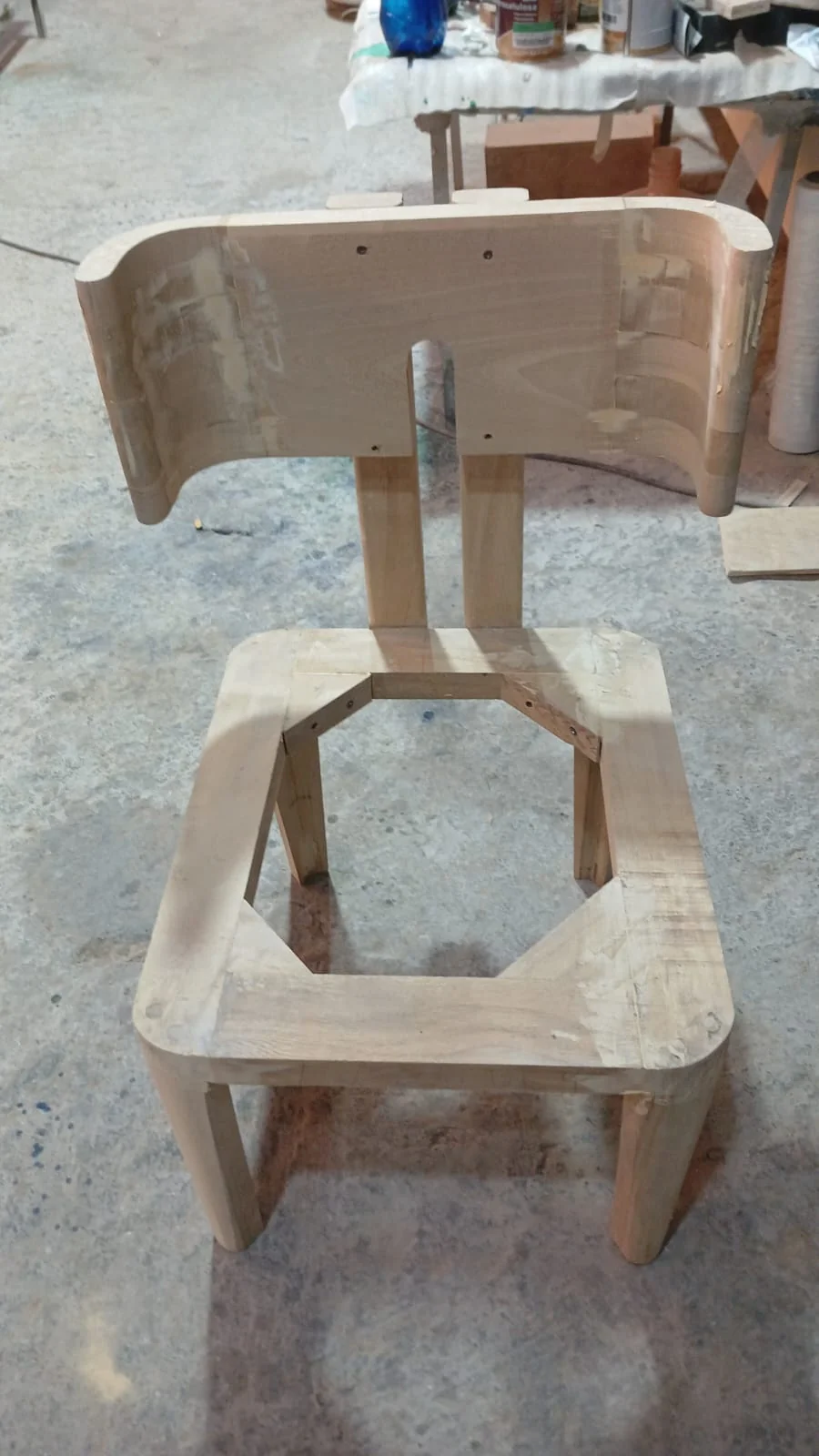
The Anatomy of Value: Cabinetmaking vs. Carpentry
While conventional carpentry seeks to fill a gap, luxury cabinetmaking seeks to elevate architecture. At Carpiperg, we understand that residents of areas like Campos Elíseos or Virreyes do not seek basic functionality, but **Heirloom Quality**.
A Bespoke piece is defined by three technical pillars that justify its position as a heritage asset:
- Material Selection (Grain and Character): We do not use generic wood. We select specific planks looking for grain continuity. The Bookmatch technique, where wood sheets are opened like a book to create a symmetrical pattern, is non-negotiable on large surfaces like dining tables or boiseries.
- Joinery (Complex Assemblies): Forget visible nails and screws. Structural integrity is achieved through mortise and tenon or dovetail joints, guaranteeing that the piece breathes and moves with humidity changes without cracking.
- Signature Finishes: From an open pore that allows feeling the organic texture of European Oak, to our exclusive parchment facings that provide unmatched tactile sophistication.
Designing for the Architecture of Rubén Darío and Paseo de la Reforma
The architectural context dictates the design. You don't design the same way for a contemporary Penthouse with floor-to-ceiling windows in Polanco as for a neo-colonial mansion in Lomas de Chapultepec.
In Rubén Darío apartments, where natural light is the protagonist, the challenge is technical: we use varnishes with next-generation UV filters and dense woods that resist insolation without losing their deep tone. Here, bespoke furniture often functions as interior architecture, dividing open spaces without blocking views of Chapultepec Forest.
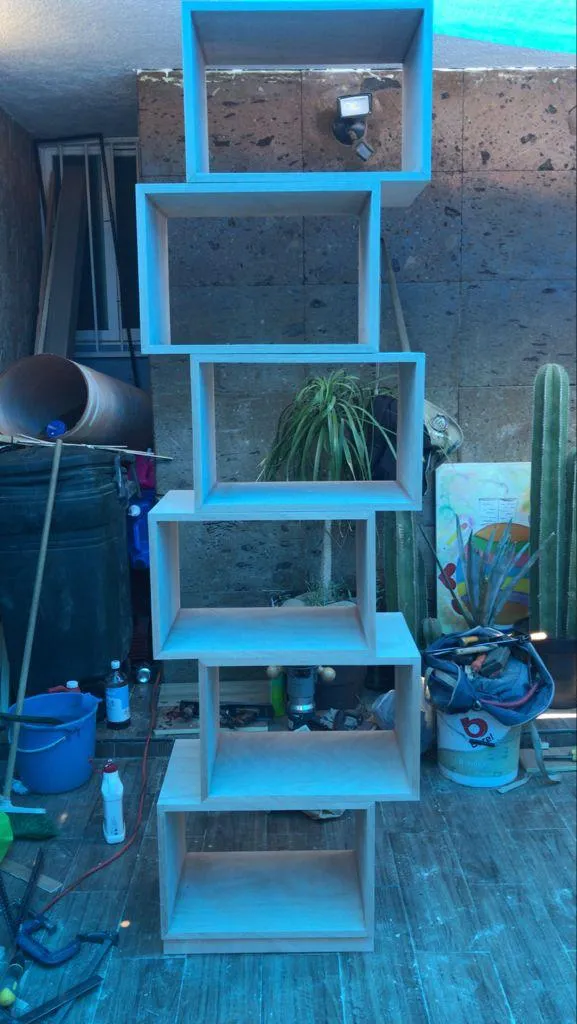
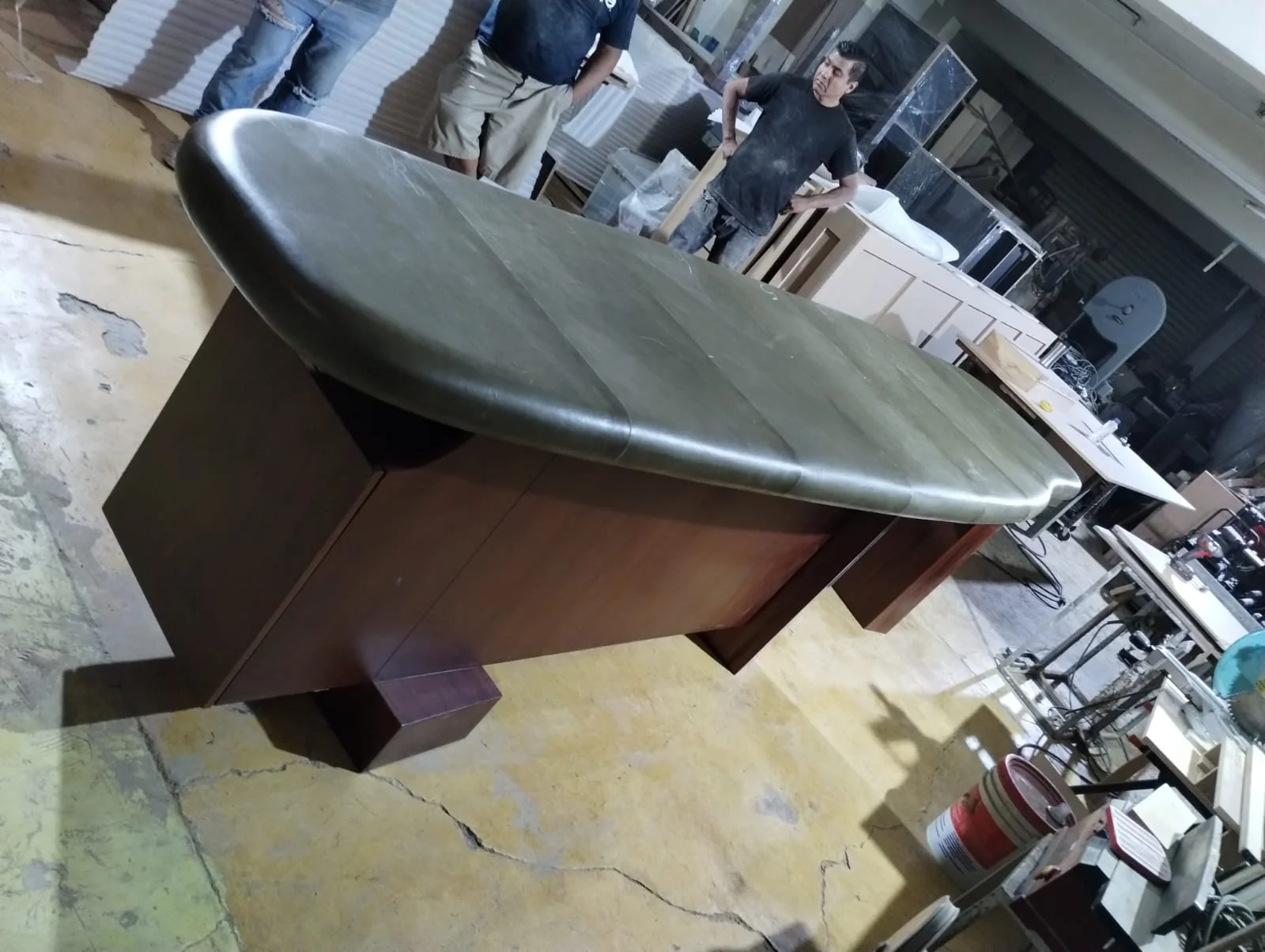
On the other hand, in residences on Avenida de los Bosques or Sierra Gorda, scales are usually monumental. Commercial store furniture visually gets lost in double-height ceilings. Here, luxury cabinetmaking must have presence and visual weight, using solid moldings and golden ratios that dialogue with the magnificence of the construction.
The "White Glove" Process: From Sketch to Installation
True luxury is the absence of worry. Our Bespoke process is a meticulous ritual:
- Immersion and Sketching: We analyze the light, the flow of the space, and existing art pieces.
- Material Curation: We invite the client to approve not only the color but the texture and grain pattern.
- Artisanal Fabrication: Each piece is worked by master cabinetmakers who combine manual tradition with CNC precision.
- White Glove Installation: Our team protects floors and walls. The installation is surgical; we leave no dust, only art.
Micro-Case Study: The Hidden Cellar in Bosques de las Lomas
We recently faced a challenge in a private residence in Bosques: create a climate-controlled wine cellar that visually looked like a wall of solid Tzalam panels.
The technical challenge was integrating cooling systems without compromising the wood aesthetic. Through an internal engineering structure and a ventilation system hidden in the plinth, we managed to have fine cabinetmaking conceal technology. The result was a continuous wall that, to the touch, reveals its true function. That is **Quiet Luxury**.
Investing in Legacy
Investing in bespoke furniture is not an expense in decoration; it is an investment in your property's value and in pieces destined to become family legacy. The difference is felt in the soft closing of a hand-fitted drawer and admired in the patina that only noble wood develops over the years.
If your architectural project demands a level of execution that the conventional market cannot offer, it is time to talk about real cabinetmaking.
Related Articles
Ready to elevate your space?
Schedule Workshop Consultation